Survey Experts · 13.04.2026 · 6min read
At Appinio, we recently surveyed 1,000 nationally representative US adults to explore how external pressures are shifting the national mood. The results reveal a consumer base that is remarkably resilient, yet increasingly forced to make trade-offs.
Pessimism vs. personal resilience
The US is currently a nation of "macro-pessimists." Nearly half the country (47%) rates the national economy as "poor." However, when you look inside the household, a different story emerges: 43.6% of Americans maintain a positive outlook for their own wallets over the next year.
Americans don’t trust the "system" to weather the storm, but they still trust themselves to navigate it. Consumers are pivoting from reliance on macro-stability to a DIY-approach to financial resilience.
The gas price tipping point
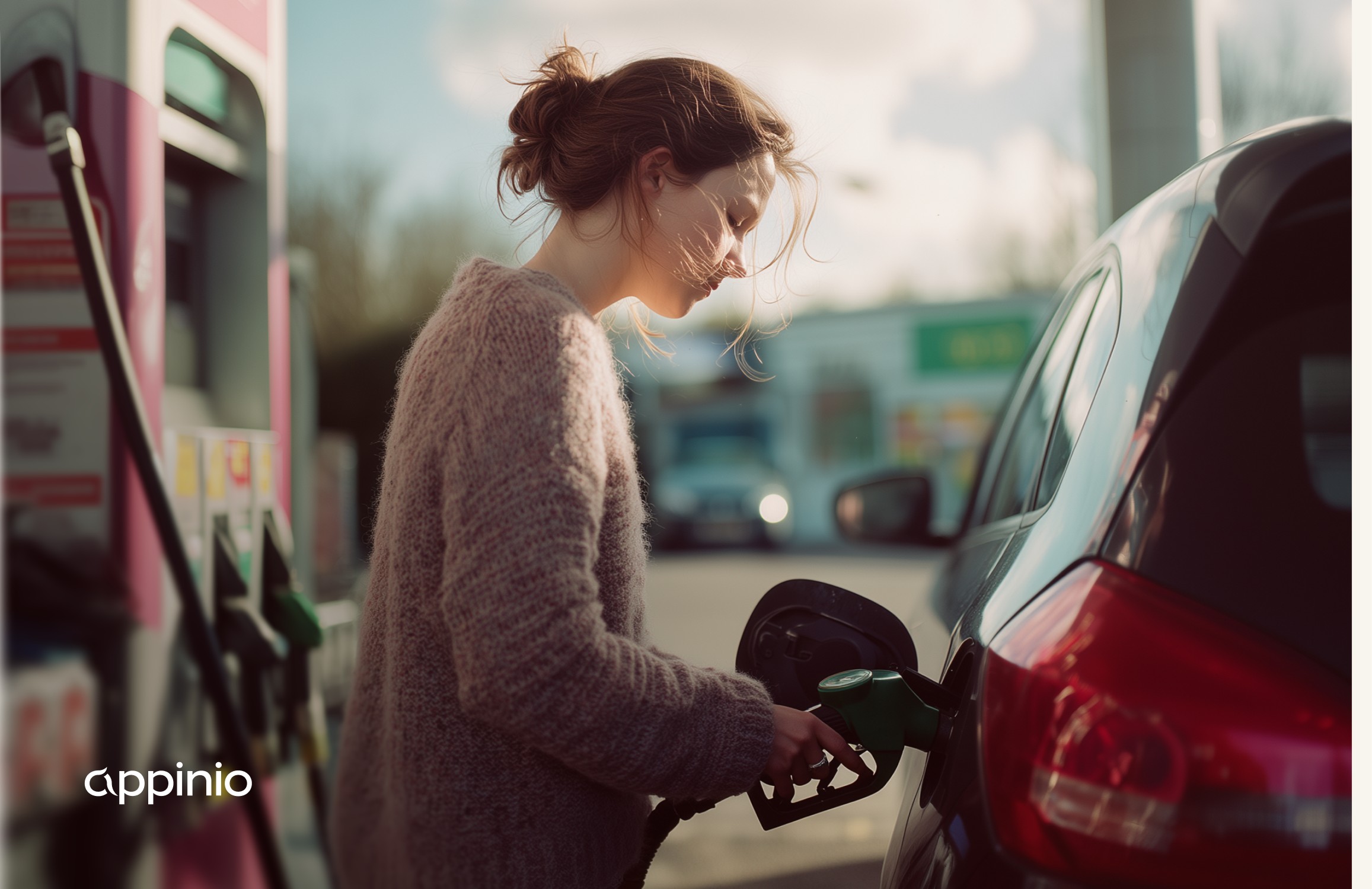
Fuel prices remain the primary psychological anchor for the American mood. Our research identified $5.00 per gallon as the definitive "breaking point" for US mobility. At this price, two thirds of the population says they will fundamentally change their behavior by switching to transit or staying home.
But geography matters:
-
The Midwest & South: These regions are already feeling the squeeze, with 29% reporting they are already using their cars less.
-
The West: This region holds the highest threshold, identifying $6.50 as their ultimate breaking point.
-
The Captive Class: Despite the costs, 10–13% of Americans, across all income groups, are "captive drivers" who will pay any price because they have no viable alternative for their daily lives.
Prioritizing the essentials
The energy crisis has triggered a massive retreat from the "experience economy" as consumers audit their lifestyles to protect their stability.
- The Discretionary Axe: Eating out (66%), Vacation & Travel (49%), and Fashion (49%) are the primary targets for spending cuts.
- The Protected Core: Insurance, Housing, and Health remain non-negotiable and largely untouched.
For the bottom third of the economy, the energy crisis isn't a future threat, it’s a daily reality of forced trade-offs. While higher earners worry about global resource wars, low-income households are more focused on trade conflicts and tariffs that hike the price of basic goods.
The strain is visible: 39% of this group plan to cut back on groceries, and 35% are already driving less. For these families, the "New Austerity" is a battle between fuel and food.

Want to see the full data breakdown?
How partisanship impacts spending
Politics continues to color who Americans blame for the crisis. While 53% of Democrats blame the federal government for energy prices, Republicans are more likely to point toward global tensions.
However, the real paradox lies in the action: While Democrats are twice as likely to say they are concerned about climate change, it is Republicans who are leading in action - 35% are ready to invest in energy-saving measures (like smart heating and insulation) compared to 28% of Democrats. It’s an illustration of the modern American challenge: balancing beliefs with the reality of a monthly budget.
The takeaway
For brands and strategists, the message is clear. The average US consumer no longer exists. In 2026 and beyond, staying relevant requires more than just intuition; it demands a nuanced understanding of your customers, powered by real-time, advanced data.
Find out more...
Appinio applies scientifically proven, innovative research methodologies to predict real-world outcomes with superior accuracy, helping businesses make better decisions everyday.