Appinio Research · 08.06.2026 · 3min read

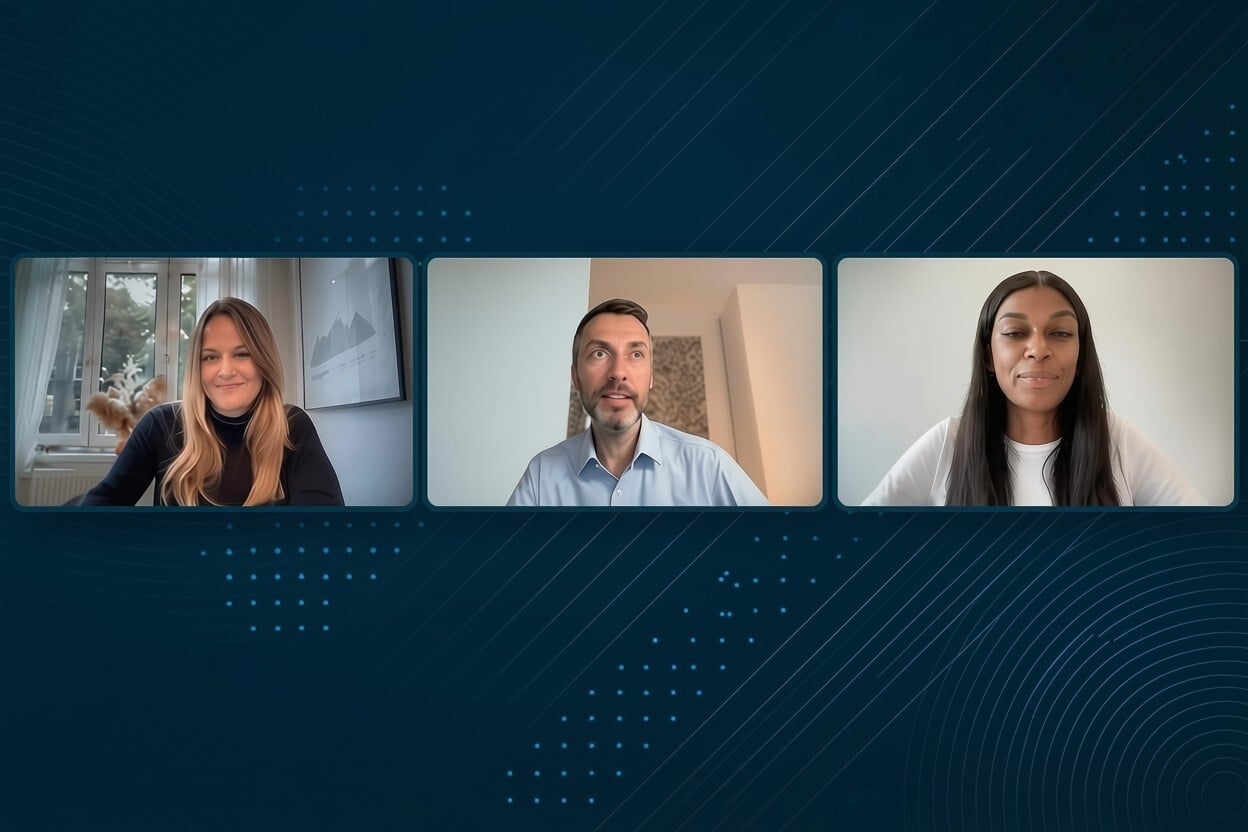
We recently sat down with Paul F. Accornero from The AI Praxis™ to chat through agentic shopping and how consumers feel about it.
The big message is simple: shopping does not stop being human, but it does start to split in two. One half still runs on emotion, habit, and brand love. The other half now runs on structured data, verification, and API access. For senior marketers and insights teams, that shift changes the game.
Here are the top takeaways from that conversation and The Great Split report.
1) This is not a fad: awareness and trial already look surprisingly strong
In the US, 64% of consumers had already heard about agentic AI for grocery shopping. In the UK, awareness still sits above 50%. Among those who know about it, about half already try it for shopping or recommendations. A small group, around 5%, uses it very often.
The real eyebrow-raiser: even among people who do not use it yet or have never heard of it, around one third still say they are open to trying it in the future.
2) Data misuse isn’t consumers’ biggest concern
The biggest worry does not center on data privacy or grand AI ethics debates. It centers on something much more practical: the fear that the AI buys the wrong item, or buys something the shopper does not need.
That matters because the concern feels concrete. People worry about formula for a baby, gluten-free products for a celiac household, or whether a product actually meets a very specific need. Data privacy comes up too, but it sits further down the list.
And around half of shoppers say they would allow an AI to substitute a trusted brand if the AI suggests a better-value option.
3) Brands now need to market to two brains, not one
The classic marketing model still matters. Human shoppers still respond to emotion, story, pack design, shelf presence and brand experience.
But the algorithm does not care about the pretty picture. It reads the facts. It wants machine-readable, structured, verifiable data that it can access through an API. It also checks that data against third-party sources.
So yes, the emotional brand story still matters. But now it sits alongside a second layer: the algorithmic layer.
4) The “danger zone” starts with routine, low-emotion purchases
The first categories under pressure sit in the mundane, high-frequency, low-emotion space: household paper, cleaning products, bin bags, water, pet supplies, pantry staples, bleach.
The safer categories stay more ritualistic and emotionally charged: coffee, chocolate, baby items, pet purchases, and other products where the purchase feels personal and meaningful.
The same logic extends beyond FMCG. Travel splits down the middle. A routine flight booking feels ripe for delegation. A once-in-a-lifetime trip feels much more human. Insurance and financial products also look highly delegable when the shopper wants “same or better coverage, same or better price.”
5) The immediate task for brands: check visibility and build a digital twin
If a brand is invisible to the AI, it does not exist for the AI.
That means the first job is simple but not easy: audit visibility. Then build a digital twin for each product, good or service. Then put that information into the website in structured code. Then make sure it matches reliable third-party sources.
The key question is no longer just “Do people know and love the brand?” It is also “Can the algorithm find, read, and trust the brand?”
Summing up
Some people wonder whether agentic commerce will kill brand building. The answer is no. But it makes it more complicated (and more interesting). The winning brands will still win human attention, but they also need to earn algorithmic visibility.